
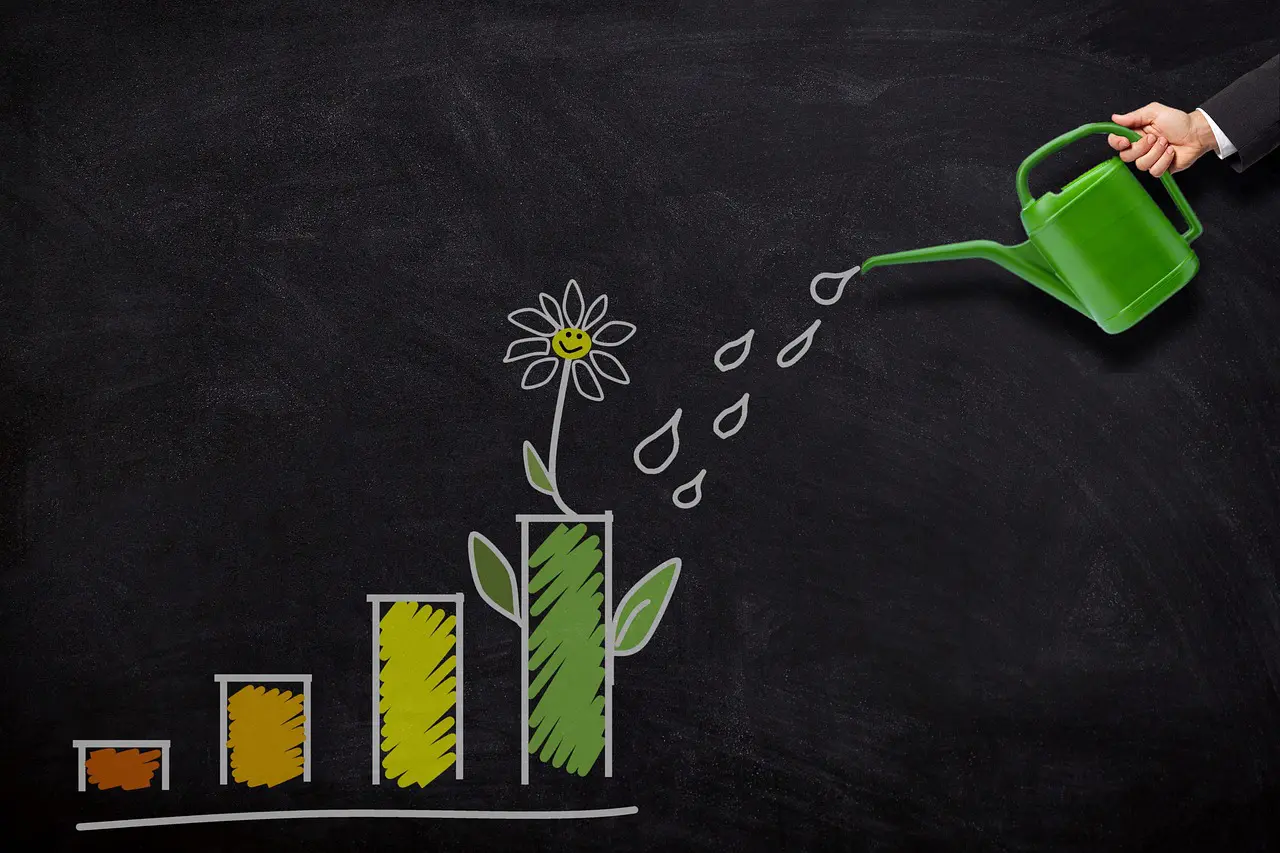
Maybe you’ve heard of this thing called the “creator economy?” In and around 2020 it was a hot topic in technology circles. The success of existing platforms like Patreon and Kickstarter, combined with all that time we had on our hands due to the pandemic, meant artists of all kinds were finally going to be liberated and earn a respectable income from their creations. We were promised a “creator middle class.”
The Birth of the Creator Economy
As both a technologist and creative, I was excited about the creator economy. It felt like creator economy tech startups were launching every day. I pictured artists, musicians, writers, and more thriving, or at least covering their costs, with small donations from lots of people who discovered them on these new internet platforms. That was a future I very much wanted to live in.
A few years later my excitement is all but gone. It turns out our creator economy consists not of artists and creatives, but mostly of influencers.
Now, I would never assert that influencers aren’t legitimate creators. They make (usually) something of value. I, myself, might even follow one or two on YouTube. But can we agree they aren’t in the same category as someone who takes a year to write, draw, letter, ink and self-publish a graphic novel?

Of course, after being a part of the tech startup world for over 20 years, I should have known there’d be a catch. Most of the creator economy tech startups being launched were funded by venture capitalists. VCs (as we call them) always jump on a trend, and the creator economy was the trend du jour. And having worked for plenty of VC-backed tech startups, I know that to survive they must become worth a billion dollars or more eventually. On the way to achieving that, VCs require their investments to meet certain metrics in order to keep funding them. These metrics include producing fat profit margins sooner rather than later. Even after hitting these metrics, startups must continue producing infinite growth in service of ever-increasing shareholder value. They have to become multi-billion dollar companies.
Enshittified
Now, I probably don’t need to tell you that most creatives don’t generate a fat profit margin. Their work can take time, and sometimes they hit a creative block and take a break. They simply don’t deliver the predictability that venture capitalist metrics require.

Influencers, on the other hand, have goals that are aligned with the goals of the platforms and VCs. Influencers pursue wealth—it’s pretty much the point of becoming an influencer.
As a result, creator economy startups have learned that their metrics only work with influencers, not creatives. They’ve recalibrated everything they do to enable those influencers, leaving creatives woefully underserved. The relationship was doomed from the start.
The resulting experience for creatives on these platforms can be aptly described as “enshittified,” a term coined by author Cory Doctorow. (Definitely read up on this, if you haven’t heard of it before.) It’s easy to find rants from creatives on social media declaring how much they hate Patreon, followed by scores of replies echoing the sentiment and describing enshittified experiences.
Where’s Our Economy?
In the meantime, what becomes of creatives? Where’s their new economy?
From an outsider’s perspective, self-publishing might look like a creator economy for writers. Authors, for example, can self-publish their novel on Amazon. But you and I both know an author has to first build up a substantial social media following and, ideally, a large email list. Hell, now that traditional agents and publishers have caught on to the beauty of author self-promotion, they’ve quit trying to uncover hidden talent. They just trawl the waters for authors who have more than 30,000 Instagram followers, ensuring their investment comes with a built-in customer base. So now an author has the full-time job of self-promotion in addition to their day job and their writing, whether they self-publish or not. The creator economy has made their lives harder. The same is true for creatives of all kinds.
Given the situation, it seems like there’s no creator economy possible for creatives, no creator middle class. In an economy that actually works for creatives, enough profit would have to be just that, enough; maximizing profit would have no place. Forget infinite growth. And we all know that’s not how business works.
Wait. We all know businesses that in fact do work like that. They just aren’t backed by venture capitalists. This fact has brought me to wonder over the last couple of years: what if we collectively imagined a better future for creatives?
I can’t let go of a particular idea: what we need is a “patron economy” (if we’re going to keep naming these damned economies). The foundational flaw of the creator economy is that it extracts money from creators. That’s not an economy for creatives, it’s one paid for by creatives, people who aren’t really looking to spend more money. A sustainable economy should be driven by people who’re actively looking to spend their money on something that improves their lives.
Patron Economy
Who’s actively looking to spend money in a patron economy? Enthusiasts. All kinds of enthusiasts are on the lookout for new ways to satisfy their passion for their thing. They want to nerd out. They can’t get enough. And they’re happy to pay a fair price for access. You’re probably an enthusiast, yourself. Many enthusiasts will even gladly give a little of their money to help ensure their favorite creative can just keep creating. This kind of enthusiast is a patron. I believe everyday patrons are the basis of an economy that we could build for ourselves.
Building a patron economy means nurturing a culture of patronage. We already have the beginnings of a patron culture thanks to the VC-backed platforms. Let’s can build on that, “normalize” it, as the kids say. We should all be asking each other “who do you patronize?” at cocktail parties. We should show off our patronage list the way people share their Spotify stats at the end of each year. Technology has given us the ability to spread an idea like this quickly.
And normalizing patronage could be easier than you might think. I believe people are ready for a change. We’re exhausted by late-stage-capitalism, each of us having at least one tale to tell of battling enshittification. It’s resulted in us all feeling exploited by billionaires at every turn. A patron economy, on the other hand, doesn’t create, need, or serve billionaires. The driving forces of enshittification, maximizing profit and infinite growth, are missing altogether. The members of the patron economy are driven by something deeper than greed and wealth, and they’re willing to be happy with a profit margin that pays the bills and no more. Their passion engenders connection, engagement, and care, the opposite of enshittification.
What’s more, the patron economy does something deeply rewarding: it makes art, art that takes risks, challenges norms, and inspires passionate discussion, which in turn creates culture.
The Scenius Cultural Ecosystem
Cultural movements have historically been born from cultural ecosystems. Veteran musician and producer, Brian Eno, calls a cultural ecosystem a “scenius.” We mortals usually just call it a “scene.” Think hip hop, cyberpunk literature, and street art, which all started as scenes. From my own research, I’ve found there are three necessary ingredients to create a scene: creatives, enthusiasts, and champions. What’s been missing from the creator economy are the champions. Champions, like nightclubs, art galleries, and indie publishers take risks on creators they believe in. That’s the role creatives had hoped the tech platforms of the creator economy would play. But of course, that wasn’t possible. Thus, I’d argue, we haven’t really observed any kind of scene with the potential for becoming a movement come out of the current platforms.
Can you imagine if the proprietor of CBGB, the hole-in-the-wall biker bar and birthplace of punk rock, had venture capitalists to please, if he had to show 30% revenue growth quarter over quarter? I’d be surprised if he knew or cared what quarter it was on any given day. He just liked The Ramones. He sensed something exciting was happening because he was deep in Manhattan’s lower east side music scene, not because he was working on his pitch deck in his office. Independent entrepreneurs like me will need to step up to create the new online versions of CBGB and fulfill the role of champion, bringing that crucial ingredient back into the mix. In addition to championing, we’ll need to offer affordability for creatives and patrons. I like to say we’ll need to offer “cheap rent and free drinks.” Thankfully, that’s exactly what the efficiencies of technology can help us do.

For their part, creatives and patrons in the patron economy might need to have a little patience at first and be willing to accept imperfection. The Ramones and their fans had to walk on sticky floors and use a tiny bathroom at CBGB. Let’s embrace the romance of it like they did. After all, it might be a bit rough around the edges, but it’ll be OURS.
Let’s Have a Cultural Renaissance!
Maybe I’m just a romantic, but I long for a cultural renaissance of sorts where creatives and those who love them have a space to call the shots. I suspect I’m not alone, and I could go on and on about my vision for it. But now, I’m inviting you to join me. What have I missed? Do you think I’m being unrealistic? Let’s talk about it. Heck, let’s argue. But no matter what, let’s break free of the enshittified economy together. Let’s make art, not billionaires.


One response to “Building a Patron Economy: Empowering Creatives”
Witness me! 😉 I’ve got some thoughts on how the creator economy failed creatives and what we can do about.